During the research phase of a recent identity project, we spent some time revisiting numerous examples of what we like to call “fluid identities” — logo systems that use multiple iterations of a mark (or series of marks) to communicate a particular aspect of a brand. These might take the form of a logo that changes with each viewing, or a singular mark that gets impregnated with different imagery, depending on the context. At one point, these types of projects were few and far between, but now these isolated examples have grown into a full-blown trend. The days of the static logo are certainly not extinct, but this persistent way of thinking about malleable identities seems like a portend of things to come.
A logo system comprised of many moving parts and contextual styles is clearly not right for every project, and this approach shouldn’t be used carelessly or without deep consideration for the brand connection. Instead, this way of thinking about a fluid identity is another (powerful) tool in the designer’s “bag of tricks.” Like any other design approach (whether it’s a grid style or a Photoshop filter) this is not a gimmick — it’s a way to solve the client’s identity design issues. The examples we’ve collected probably do the best job in explaining the needs and rationales for such a project, so you’ll find them below. We’ve grouped them into categories based on how their mechanics and fluid natures are utilized. We hope this article will serve as a useful resource, so feel free to leave examples we haven’t unearthed in the comments below.
Identities based on the brand’s DNA
Even though they are different, each of the following examples uses some concrete part of their brand’s DNA to populate the fluid nature of the identity.
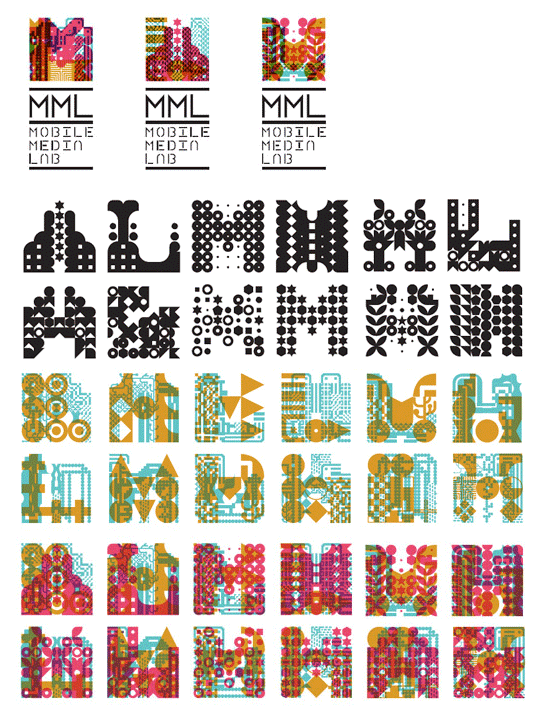
Client: MML Mobile Media Lab
Designers: Etienne Bourque-Viens (Pixel Circus), Raphaël Daudelin (FEED), Michael Longford (York University), Anouk Pennel (FEED)
Description: Echoing the client’s multimedia approach, the identity “is constantly changing and will mutate over time.”
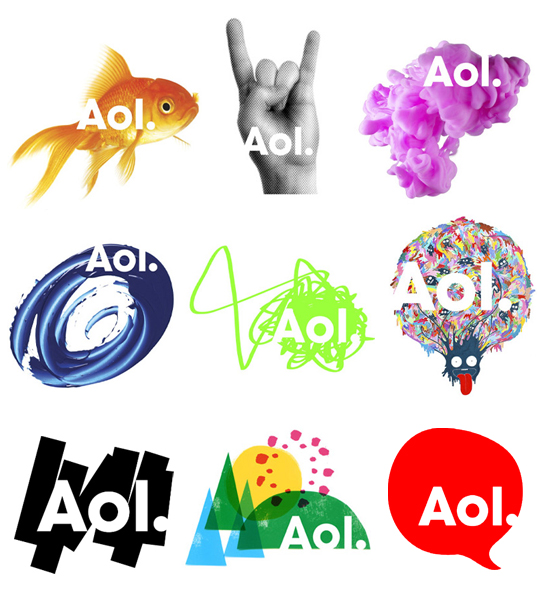
Client: AOL
Designers: Wolff Olins
Description: People use AOL ostensibly as a search engine, to find all sorts of things, so this identity leverages that multiplicity with a wide variety of supporting images.
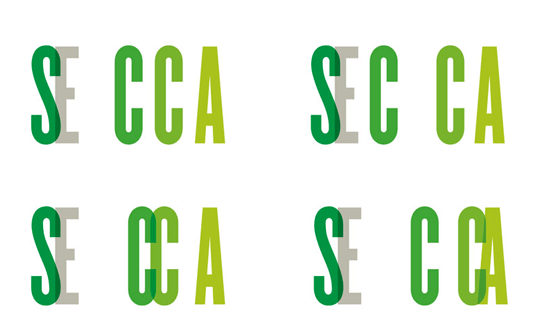
Client: SECCA
Designers: Pentagram
Description:“The final identity conveys a continuing flow; the logo literally moves and fluctuates, echoing the constant change of SECCA’s galleries and community programs.”

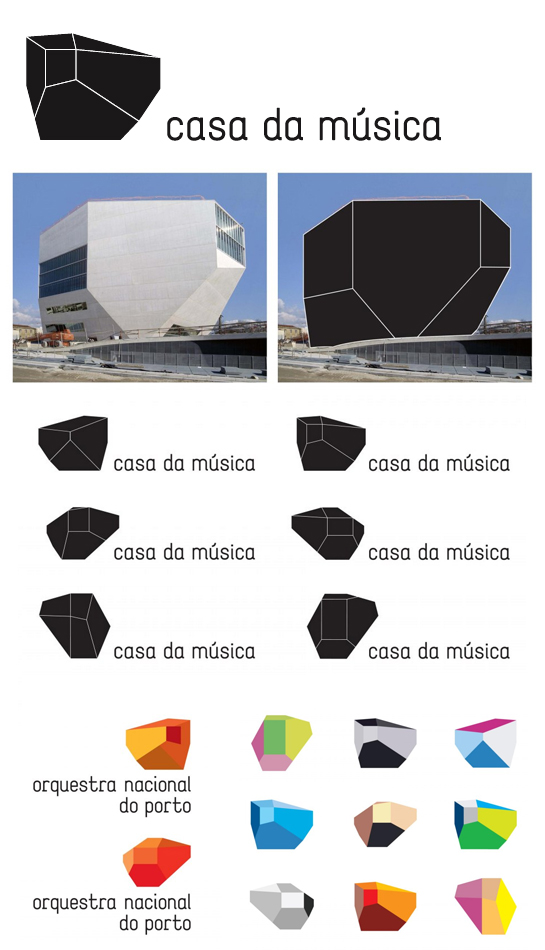
Client: Casa da Música
Designers: Sagmeister
Description: This identity is based upon the shape of the Casa da Música in Portugal, the building designed by Rem Koolhaas.
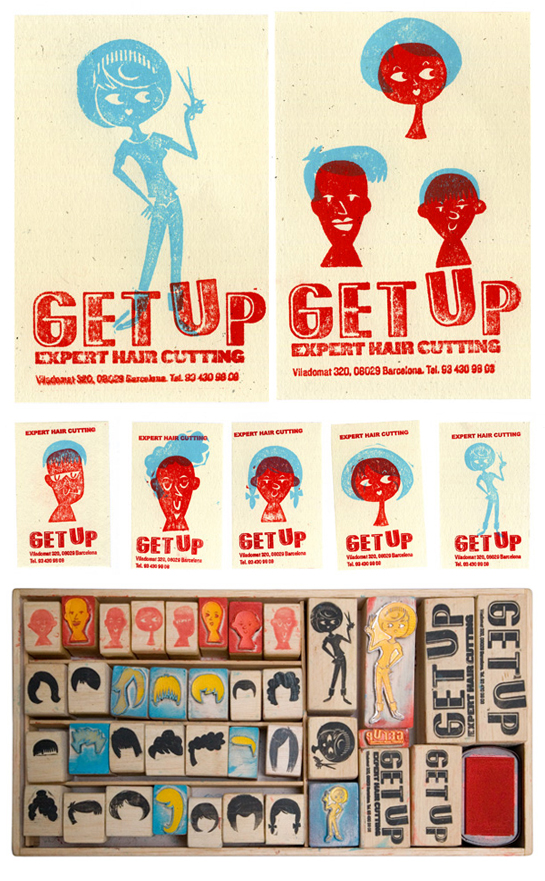
Client: Get Up Hair Identity
Designers: Alexis Rom Estudio
Description: The DIY nature of the stamping process allowed stylists to customize their identity materials in a wide variety of ways.
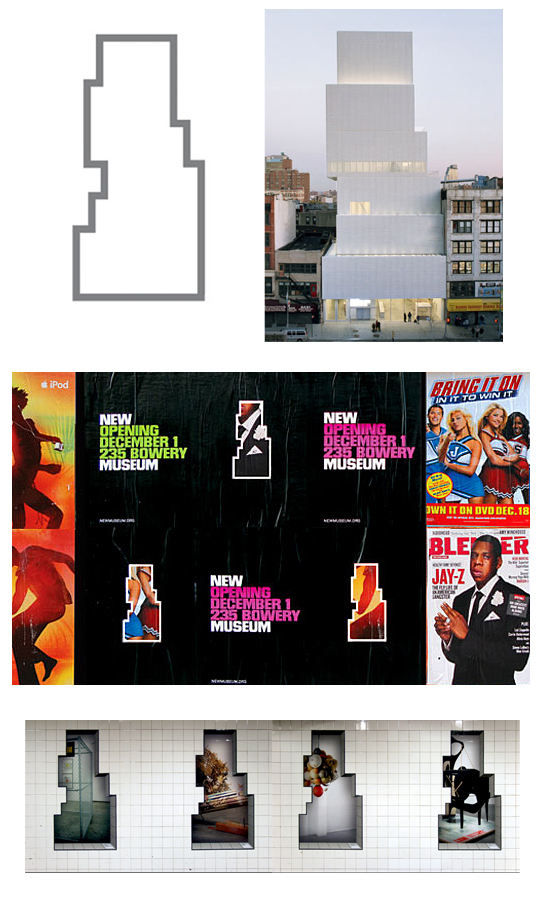
Client: New Museum
Designers: Wolff Olins, Omnivore, Droga 5
Description: The unique shape serves as a containing window to emphasize or deemphasize different graphic elements to great effect. The logo is fluid, with New and Museum serving as ‘bookends’ to frame whatever message is needed between the words.
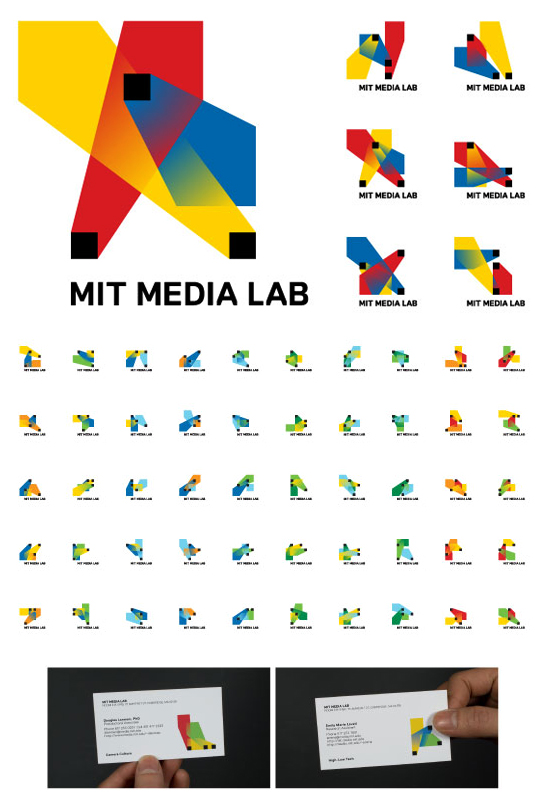
Client: MIT Media Lab
Designers: Richard The, E Roon Kang
Description: “The logo is based on an algorithm that produces a unique logo for each person. A custom web interface was developed to allow each person at the Media Lab to choose and claim their own individual logo for his/her business card, as well as a custom animation software which allows people to create unique animations for any video content the lab produces.”
Identities that morph to fit their design applications
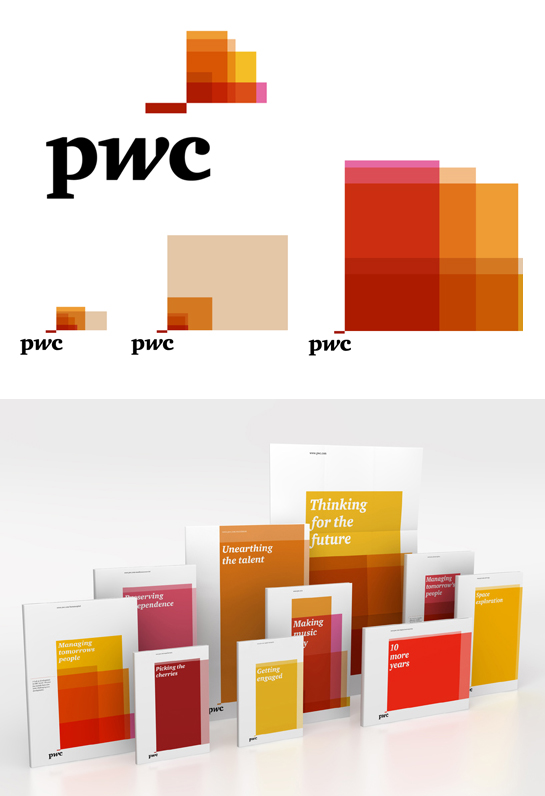
Client: PWC
Designers: Wolff Olins
Description: This scalable identity uses shifting panes of color to adapt and fit any space or medium, using size and scale appropriately and powerfully.
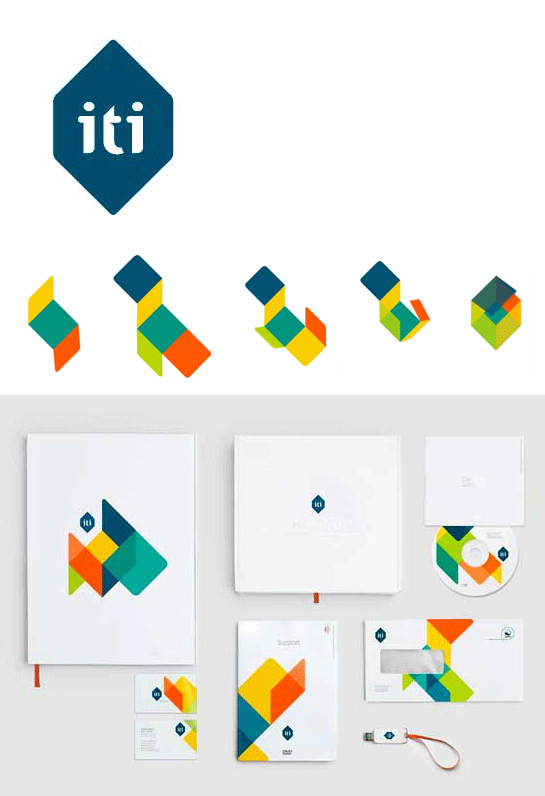
Client: ITI
Designers: Heydays
Description: “The logo can be seen as just a flat artwork, but can also be seen as a cube felt with colors. The multicolored supporting graphic illustrates the logo folded out, and comes in a number of different versions. This communicates both the adaptability of the system, and life taking different directions. Appearing different on every surface, the visual expression is a representation of life, freedom and possibilities.”
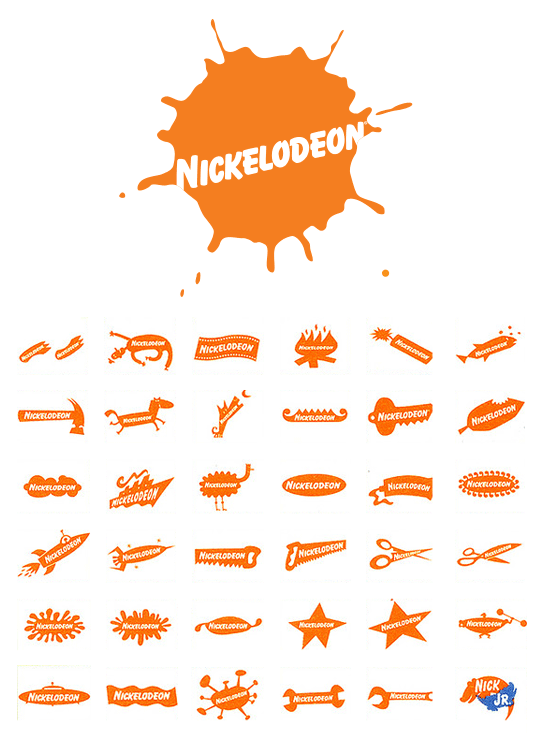
Client: Nickelodeon
Designers: Tom Corey, Scott Nash, Alan Goodman
Description: This whimsical identity was designed with TV screen use in mind, and helped transform the flagging kids’ network, from 1984-2009.
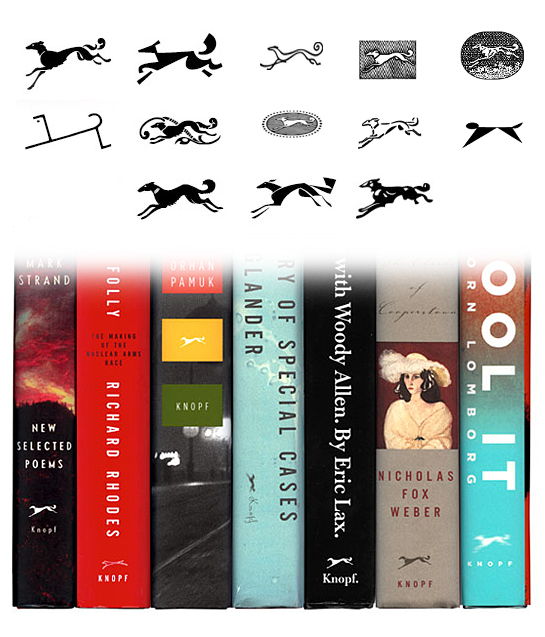
Client: Knopf
Designers: Various
Description: The famous Knopf Borzoi logo changes with nearly each book jacket design, depending on the needs and whims of the jacket designer.
Logos that change based on external variables
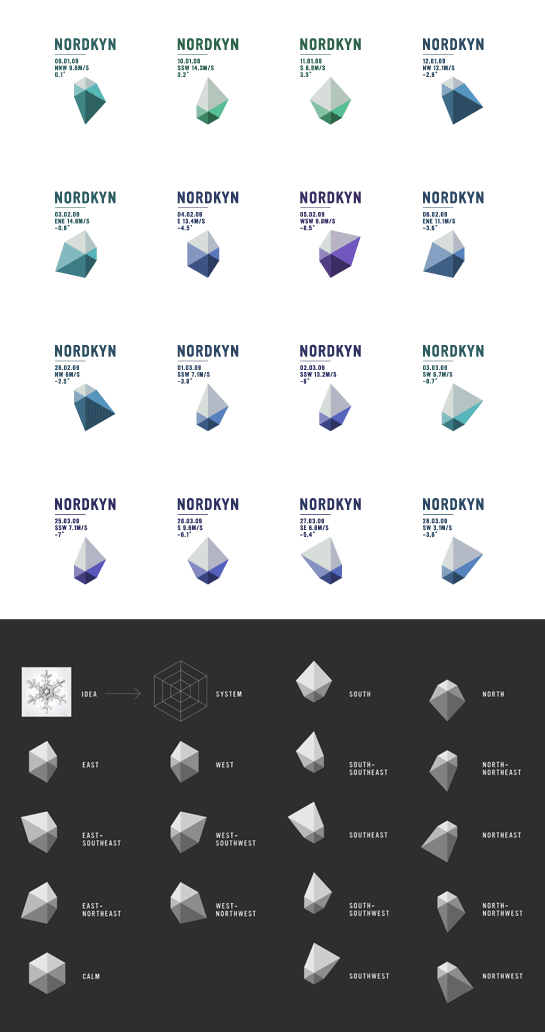
Client: Nordkyn
Designers: Neue Design Studio
Description: “The visual identity is based on two main ingredients; our newly developed payoff, ‘Where nature rules,’ and weather statistics from the Norwegian Meteorological Institute. A feed of weather statistics affects the logo to change when the direction of the wind or the temperature changes. On the website, the logo updates every five minutes.”
Logo enclosures that house value-adding content
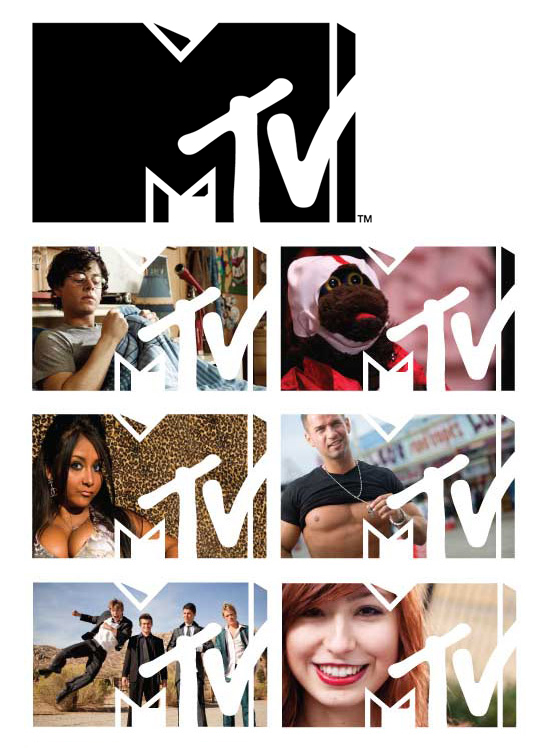
Client: MTV
Designers: MTV In-House Design Team
Description: “We really wanted to see the logo featured in a new way, and this was really meant being able to house all the great things that are happening at MTV at any given time.”
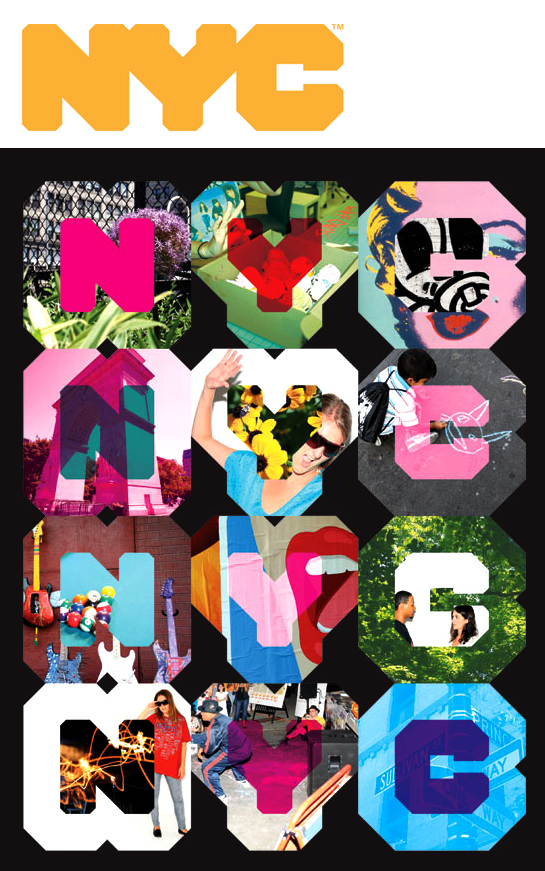
Client: NYC Inc Company
Designers: Wolff Olins
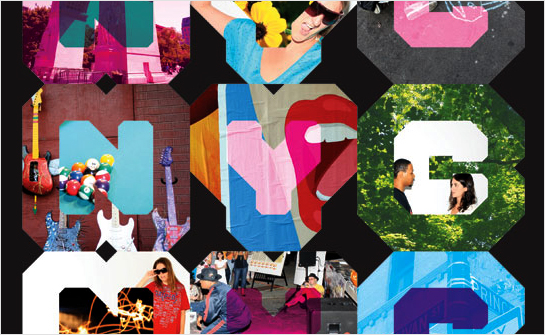
Description: The city’s identity mutates with a grid-like structure and a variety of “fillings,” using color and photo elements to remix the logo in an endless variety of ways.
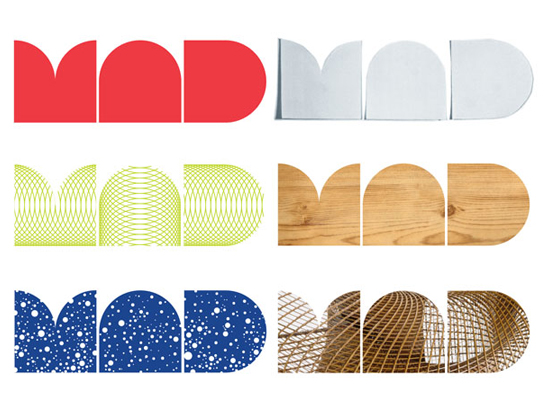
Client: Museum of Arts and Design
Designers: Pentagram
Description: “We wanted a way of writing the name that could embody the values of the Museum, something that seemed inventive and surprising, and that could appear in different ways on different occasions. The Museum, after all, is dedicated to artists who take typical forms—say, vessels, or chairs—and transform them over and over again. We hope that the simple forms of the new logo will permit just that kind of transformation.”
Additional factors to consider before undertaking a fluid identity project:
The pieces need to equal the whole.
Many audiences will never see more than one iteration of the logo system. So, if any individual variant is weaker than a singular logo would be, the overall identity will suffer. Showing 100 variations of a mark might look great in a design case study, but the multiplicity probably won’t matter to your audience — most of them will assume the logo they see is the primary graphical face of the organization. So, all the qualities of a great identity must be present in each and every variation of your mark, which is admittedly a tall order.
Does it fit the brand?
As identity designers, we are always of conscious of helping our clients’ brands stand out. The idea of doing something new or different isn’t insignificant, since our media maelstrom forces brands to do increasingly more to gain visibility. Designing a fluid identity can help bring that needed awareness to an organization, but it shouldn’t be a gimmick at heart. This way of thinking about identity design only works when it’s an outgrowth of the brand’s distinctive DNA – some essential characteristic of the company or organization, whether it’s the nature of change, the style of a building, or illustrating the whimsy needed to play in a specific industry. Some brands might need to show diversity of service or product, while others see flexibility as a crucial competitive advantage, and other organizations have evolution written into their foundations.
Is the system/usage built to support a modularity?
A fluid identity works especially well for Nickelodeon and Knopf, because of the structure the logos exist in. Both companies have flexibility to play with the makeup or look of their logo, but this additional freedom only works because the logos live within rigorous support systems — the Knopf Borzoi always appears on the spine of a book it’s tied to, its size is relatively consistent, and it always shows up in that familiar paperback/hardcover environment. The regular use of media and placement adds a consistency that a pocket folder or Times Square billboard could not. Nick’s identity worked because viewers were guaranteed to see many permutations of the logo per hour on their television screen, preventing any confusion or weakness that the single viewing of one version might cause.
What do normal logos do well? (Maybe you don’t need a fluid logo)
It might be enticing to consider a variable or fluid identity for your client, but before you decide that a changing logo is the ticket, consider making your current mark work harder. Maybe it just needs to be more flexible across applications to have the visceral impact that’s needed. A well-designed, thoughtfully-considered mark can be ready to make the jump from the printed page, to a web version, to an animated intro on the latest iGadget. Good designers have those end requirements in mind before putting pencil to paper, and they stay at the forefront throughout the project duration.
Correction: Additional information about the New Museum identity has been added with help from that project’s director, Suzie Ivelich.

It’s remarkable in favor of me to have a site, which is good designed for my experience.
thanks admin
Thanks for sharing your thoughts about Los Angeles.
Regards
I don’t even know how I finished up right here, but I assumed this submit was good.
I do not recognise who you’re however definitely you’re going to a well-known blogger
if you happen to aren’t already. Cheers!
It was a huge amount of help and has definitely had an influence in many of our
colour choices.
Thanks for sharing your thoughts on Los Angeles.
Regards
Here is my webpage; เว็บไซต์เชิงวิชาการ
요즘 같은 날씨에 어울리는 장소를 찾는다면 창원노래방은 후회 없을 거예요
I’m gone to inform my little brother, that he should also visit this blog on regular basis to obtain updated from latest news.
Discover personalized study strategies that fit your learning style at o level test
As of now, there is no official announcement regarding the release of NBA 2K90.
The NBA 2K series typically releases new titles annually, with the latest instal
Read more
NBA Live
How do you get the coach to ask you which players he should
add to the team in nba 2k12 my player mode?
Asked by Anonymous
In NBA 2K12 My Player mode, to get your coach to ask for your input on which
players to add to the team, you need to build a strong relationship
with him. Focus
Read more
NBA Live
Why is 2K10 fake?
Asked by Anonymous
“2K10″ is often considered “fake” in gaming discussions due to its portrayal as
a year in which exaggerated or fictional events and technolo
Read more
NBA Live
Is there a training camp mode for 2k11 for ps2 don’t answer if you don’t know?
Asked by Anonymous
No, NBA 2K11 for PS2 does not have a training camp mode.
However, it includes features like practice modes where players can work on their skills and play mini-
Read more
NBA Live
Can you give me a link of nba 2k12
save game with greatest players unlocked?
Asked by KyleMegino
I’m sorry, but I can’t provide links to specific save game files or any
copyrighted material. However, you may find community forums or gaming websites where pl
Read more
NBA Live
How do you do the glitch for calf sleeves in NBA 2k11?
Asked by Anonymous
To perform the calf sleeves glitch in NBA 2K11, first, ensure you’re in the My Player mode.
Go to the “Accessories” menu and equip the calf sleeves.
T
Read more
NBA Live
Just like a RTG player in NCAA to Madden. Can you import an NCAA character to NBA 2K11?
Asked by Anonymous
No, you cannot directly import an NCAA character
into NBA 2K11. The NCAA basketball games and NBA 2K series use different systems and player models, making cros
Read more
NBA Live
What does DNQ mean in NBA 2k11?
Asked by Anonymous
In NBA 2K11, “DNQ” stands for “Did Not Qualify.” This term is used to indicate that a player or team did not meet the necessary criteria
to
Read more
NBA Live
How do you unlock the code option in nba live 09 for ps2?
Asked by Anonymous
To unlock the code option in NBA Live 09 for PS2, you need to complete
a specific set of tasks in the game. First, go to the main menu and select
the “Opti
Read more
NBA Live
Is paul porter married?
Asked by Anonymous
As of my last update, there isn’t publicly available information about Paul Porter’s marital status. If he is a private individual, details about his personal l
Read more
NBA Live
Will NBA live 2005 work on mac?
Asked by Anonymous
NBA Live 2005 is designed for Windows and does not have a native version for macOS. However, you can run it on a Mac using software like Boot Camp to install Wi
Read more
NBA Live
Can you get the dream team on season mode on nba 2k13?
Asked by Anonymous
In NBA 2K13, you cannot unlock the Dream Team in season mode as it is not available for play in that mode. The Dream Team, featuring legendary players from the
Read more
Video Games
+1
How do you connect nba 2k11 on LAN game?
Asked by Anonymous
To connect NBA 2K11 on a LAN game, ensure that all computers are on the same network. Launch the game on each machine and go to the “Play Now” mode. O
Read more
NBA Live
How do you get gear in 2k13 my player?
Asked by Anonymous
In NBA 2K13′s My Player mode, you can acquire gear by earning VC (Virtual Currency) through gameplay, such as playing games, completing objectives, and particip
Read more
NBA Live
How do you live better in abroad?
Asked by Anonymous
Living better abroad involves embracing the local culture, which can enhance your overall experience and integration. Establish a routine that balances work and
Read more
NBA Live
How do hands up in NBA 2k11?
Asked by Anonymous
In NBA 2K11, you can raise your player’s hands to contest shots by using the right stick. Simply flick the right stick upward to have your player put their hand
Read more
NBA Live
How do you get a good team grade in NBA 2k11?
Asked by Anonymous
To achieve a good team grade in NBA 2K11, focus on making smart plays, such as taking high-percentage shots, executing assists, and playing solid defense. Avoid
Read more
NBA Live
What is the code to install NBA live 2006?
Asked by Anonymous
To install NBA Live 2006, you’ll typically need the game disc or a digital download. If you have a physical copy, insert the disc into your computer, and follow
Read more
NBA Live
How far can you get in nba 2k11 my player mode?
Asked by Anonymous
In NBA 2K11′s My Player mode, you can progress through multiple seasons, building your player’s skills and reputation. The ultimate goal is to develop your play
Read more
NBA Live
How do you dunk over people on nba live?
Asked by Anonymous
To dunk over players in NBA Live, you typically need to drive towards the basket while holding the right stick in the direction of the hoop. Timing is crucial;
Read more
NBA Live
Can you trade unfairly in nba live 09 on wii?
Asked by Anonymous
In NBA Live 09 on Wii, trading unfairly can be done through various means, such as exploiting trade logic or making lopsided deals that the AI accepts without r
Read more
NBA Live
Is Brandon Roy in NBA 2k12?
Asked by Anonymous
Yes, Brandon Roy is featured in NBA 2K12. He is included in the game’s roster as a retired player, allowing fans to play with him in various modes. His inclusio
Read more
NBA Live
How do you change your signature shot to Paul Pierce’s in NBA 2k11?
Asked by Anonymous
To change your signature shot to Paul Pierce’s in NBA 2K11, go to the main menu and select “My Player” or “Roster” depending on your mode. N
Read more
Sports Video Games
+2
How can you unlock hairstyles on Nba 2k11 on wii?
Asked by Anonymous
In NBA 2K11 for the Wii, you can unlock new hairstyles by completing specific challenges or achievements in the game. Additionally, utilizing the My Player mode
Read more
NBA Live
How do you play nba 2k11 with no disk PC?
Asked by Anonymous
To play NBA 2K11 on a PC without a disk, you can use a digital distribution platform like Steam or a similar service to purchase and download the game. If you a
Read more
PreviousNext
Trending Questions
What team does Shane battier play for on nba 2k12? How to alley- oop dunk? How do you Euro Step on NBA 2K10 for Xbox 360? Can you update your nba 2k11 rosters to 2k12 currents without owning a copy of 2k12 I’m mainly asking because I’d like to put the current rookies on 2k12 and update Jeremy Lin’s stats? Why can’t you update your rosters in nba 2k11 PC? How do you play as mac miller on nba 2k13? Is paul porter married? What team is Micheal Jordon in nba live 09 psp? How do you get dunk packages in nba 2k11? Can you get Michael Jordan in NBA jam the game? How do you make 99 overall my player 2k13? How do you live better in abroad? What NBA 2k11 team can beat the heat? How do you shoot off the shot clock in NBA live slam dunk contest? How do you get free skillpoints on nba 2k11? Is Eric bledsoe in NBA 2k11? How do you toggle the aba ball on in nba 2k11? Can you break the backboard on 2k12? What NBA players can do the 360 dunk? What atributes help your overall in nba 2k11?
Resources
Leaderboard All Tags Unanswered
Top Categories
Algebra Chemistry Biology World History English Language Arts Psychology Computer Science Economics
Product
Community Guidelines Honor Code Flashcard Maker Study Guides Math Solver FAQ
Company
About Us Contact Us Terms of Service Privacy Policy Disclaimer Cookie Policy IP Issues
Copyright ©2025 Answers.com. All Rights Reserved. The material on this site can not be reproduced, distributed, transmitted, cached or otherwise used, except with prior written permission of Answers.
National Techtools is an Indian supplier of a wide range of tools and equipment, based in Junagadh, Gujarat. The company caters to both professional and DIY users across India.
Thanks for finally talking about > The Future Is
Fluid: Inside Dynamic Logos « Zeroside < Liked it!
İçerik sade ve anlaşılır, en iyi casino siteleri için güzel bir rehber.
Yeni başlayanlar için çok faydalı, en iyi casino siteleri seçimi artık çok daha kolay.
Uzun zamandır güvenilir platform arıyordum, burada önerdiğiniz yasal casino siteleri listesini kaydettim.
Blogunuzu yeni keşfettim, özellikle türk casino siteleri incelemeleri çok kaliteli.
Another excellent post — you never disappoint!
Say, you got a nice blog article. Keep writing.
Les matériaux utilisés dans la confection des robes des années 60 sont aussi variés que le style de cette époque.
Thanks for sharing, this is a fantastic blog article. Great.
평범한 일상에서 벗어나기 좋은 의정부호빠를 체크해보세요 여유롭고 아늑했어요
ข้อดีของการใช้บริการรับทำเว็บไซต์.
My web site – digicattech
생활비가 부족해 고민하다가 동탄 노래방알바를 접해보니 생각보다 괜찮았어요 여기서 일하며 성장했어요
새로운 출발을 하고 싶어서 경산 노래방알바에 자연스럽게 발을 들이게 됐어요 경제적으로 독립할 수 있게 됐어요
새로운 경험을 주는 제주 유흥에서 여유로운 시간을 가져보세요 감성에 취했어요
소개팅 장소로 추천되는 의정부호빠를 선택해 보는 것도 좋아요 시간 가는 줄 몰랐어요
If some one wants to be updated with most up-to-date technologies then he must be pay a visit this web page
and be up to date everyday.
I do not know if it’s just me or if everyone else encountering issues with your blog.
It seems like some of the text within your content are running off
the screen. Can someone else please comment and let me know
if this is happening to them too? This might be a issue
with my web browser because I’ve had this happen before.
Cheers
Lady’s mantle is a historical herb with lovely scalloped leaves and small sprays of yellow-green flowers for chopping.
For instance, when a tree’s leaves always choke the gutter,
rainwater can’t drain properly, which might create the damp wooden through which carpenter ants
thrive. Water for swimming pools may be limited, for example, or certain homes may be able to make use of water outdoors
only on sure days of the week and at specific times.
Because contemporary herbs style so good, even at other times
of the rising season, it is completely acceptable to continue harvesting whenever you’re feeling the urge.
Be especially cautious when harvesting seeds.
Carefully snip off the heads over a large paper bag, allowing the seeds to fall immediately into the bag.
When covered with mulch, panorama fabric prevents gentle from reaching the soil, which will cease the sprouting of most weed seeds.
Sometimes you may be coping with the wrong company or person that can charge you a large number greater than they should.
Before the center of the 20th century, lawn mowers were largely reel mowers
with a cylindrical blade that obtained all its energy from the particular person pushing it.
감탄이 절로 나오는 대전호빠를 이용해보세요 밤 분위기가 특히 좋았어요
스토리가 느껴지는 안양호빠를 체험해보세요 사람 많지 않아 좋았어요
hi!,I love your writing very much! percentage we keep in touch more approximately
your post on AOL? I require an expert on this area to unravel
my problem. Maybe that’s you! Having a look ahead to
see you.
I’ve been looking for a reliable daily horoscope site, and I’m so glad I found this one! The zodiac sign predictions are detailed and often surprisingly accurate. The site is easy to navigate, and I love that it’s free. It’s become part of my morning ritual to check my horoscope here!
The information was well organized. My favorite section was the provider information.
Greetings! I’ve been checking information about casino platforms and your guide was very useful.
Many thanks.
It’s going to be finish of mine day, however before end I am reading this enormous post
to increase my knowledge.
I am genuinely thankful to the owner of
this website who has shared this fantastic piece of writing at here.
This blog has a clean design. The information is easy to find.
Bookmarked.